Determination of Gluten Content

What is Gluten?
The protein fraction known as gluten is found in wheat, rye, barley, and oats. Gliadin and glutenin are the main proteins in wheat gluten, along with secalin from rye, hordein from barley, and avenin from oats, collectively referred to as gluten.
Most people can consume gluten-containing foods without any issues, but for individuals with celiac disease, gluten intolerance, or wheat allergy, it can cause serious health problems.
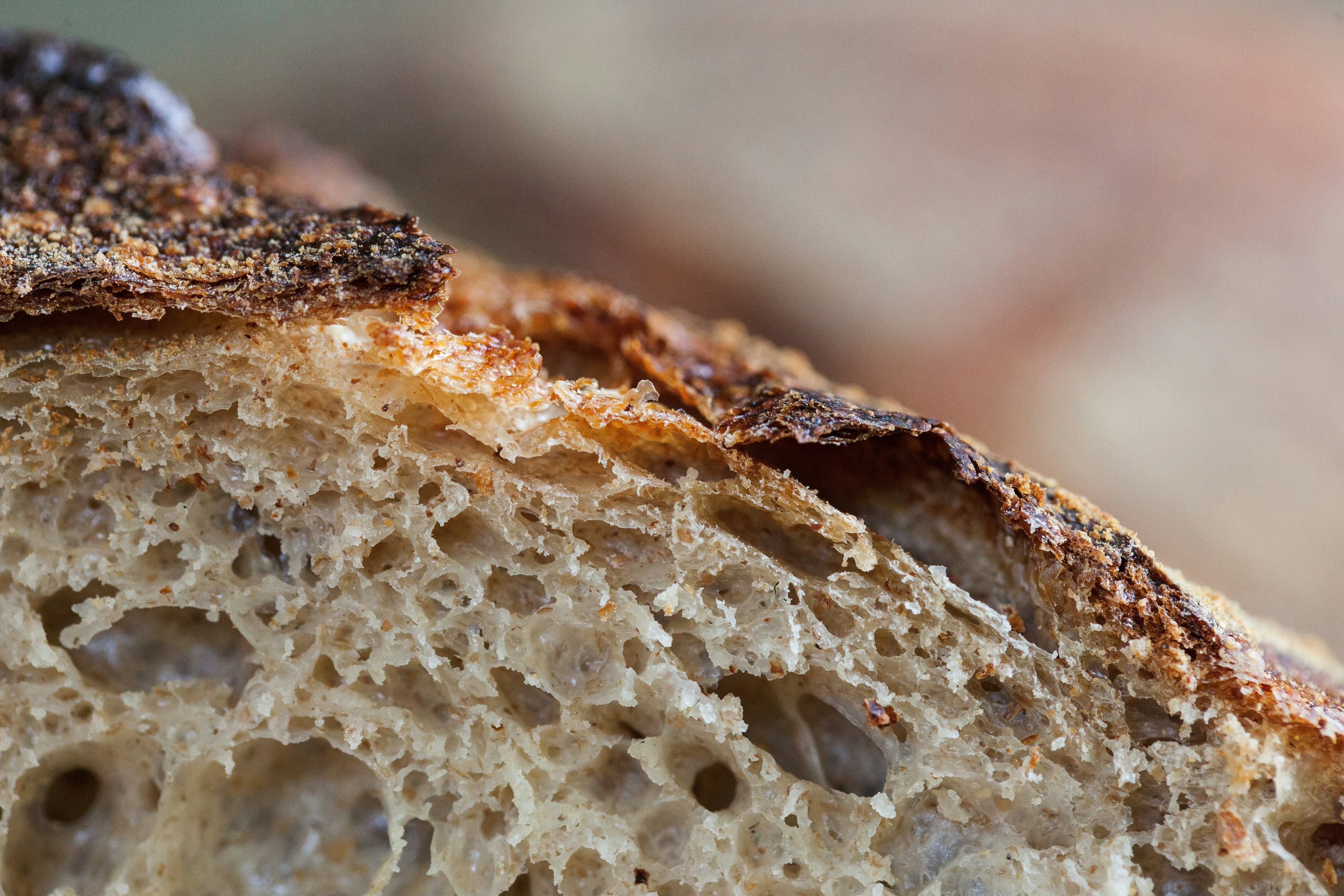
Image 1. The Presence of Gluten
Informing Consumers About the Presence of Gluten in Food
When purchasing gluten-free food, it is essential to check the label. It is not sufficient for the label to state "does not contain wheat" or "wheat free"; it must clearly display the labels "gluten free" and/or "without gluten." Gluten-free products on the market can be easily identified by the international symbol of a crossed-out wheat ear.
The key regulation governing consumer information about food, especially food labeling, is Regulation (EU) No. 1169/2011.
According to Regulation (EU) No. 1169/2011 of the European Commission, the official journal of the European Union defines the requirements for informing consumers about the absence or reduced presence of gluten in food. The statement "very low gluten content" may only be used if the food, which consists of or contains one or more ingredients produced from wheat, rye, barley, oats, or their hybrid species that have been specially processed to reduce the gluten content, contains no more than 100 mg/kg of gluten in the finished product. The statement "gluten free" may only be used if the gluten content in the food as a finished product is less than 20 mg/kg.
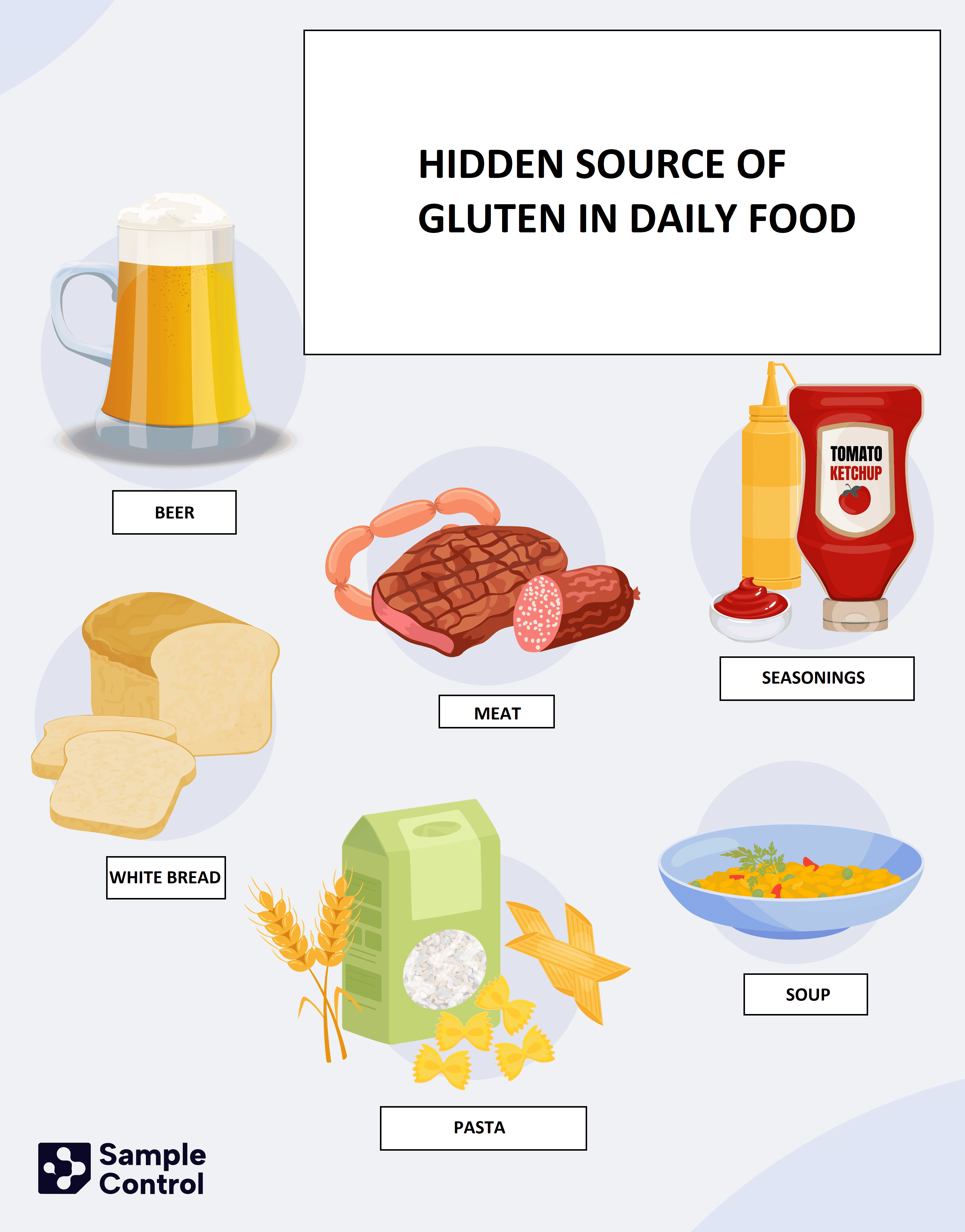
Image 2. Hidden Sources of Gluten
Gluten Analysis at Sample Control
Sample Control laboratory is accredited for determining the amount of gluten using the immunoenzymatic "sandwich" ELISA technique.