Microbiological Air Sampling in Indoor Environments

Microorganisms in the Air
Indoor air can contain various microorganisms such as bacteria, viruses, and fungi. Modern technological systems that include heating, cooling, and air conditioning can significantly impact indoor air quality because they can retain microorganisms by creating ideal conditions for their survival.
How to Improve Air Quality?
The spread of microorganisms cannot be completely stopped, but it should be minimized as much as possible. To prevent the spread of microorganisms and protect human health, it is essential to regularly implement adequate cleaning, washing, and disinfection measures in rooms, as well as to maintain all technological systems within institutions.


Image 1. Mold on a wall
When to Conduct Air Testing?
Poor air quality can adversely affect the food production process, particularly for meat products, dairy products, and baked goods. To ensure high-quality and microbiologically safe food, air testing should be conducted when there are suspicions or complaints about poor air quality, as well as when visible contaminants and signs of mold are present on ventilation systems, walls, and other surfaces in the room.
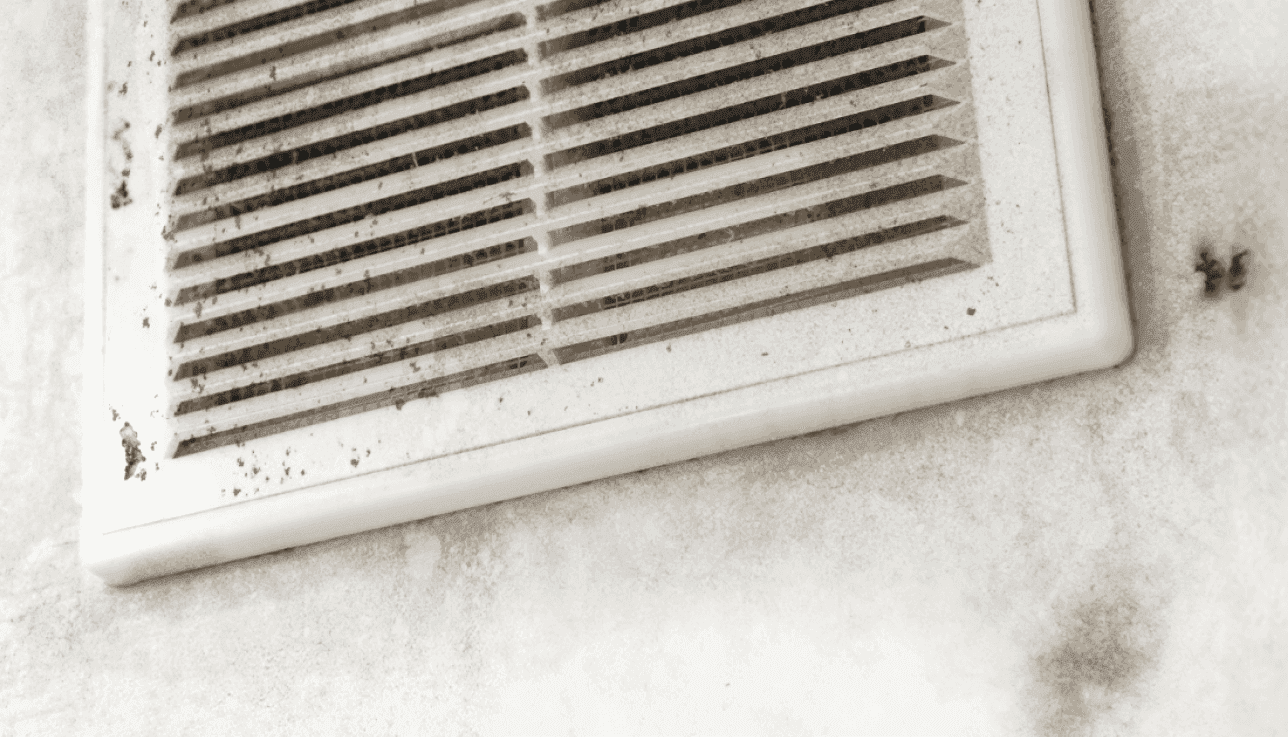
Image 2. Poor maintenance of ventilation poses a high risk for the development of undesirable microorganisms
Sample Control Offers Microbiological Air Testing Services
Currently, active air sampling using automated air samplers is most commonly applied. Sample Control laboratory, a leading laboratory for analytical testing, is accredited for air sampling, detection, and counting of microorganisms. It has an impactor air sampler that collects a precisely measured volume of air and deposits it onto solid nutrient media for bacteria and mold over a specified period. These samplers are very practical and easy to use, making them suitable for monitoring air quality in indoor environments.
Pesticides Presence in the Environment
Pesticides are products used to control pests on plants and animals. They include chemical or biological agents used in agriculture, forestry, and non-agricultural public areas to manage and suppress plant pathogens and diseases, insects, nematodes, mites, harmful rodents, weeds, and other pests. P
Determination of Gluten Content
The protein fraction known as gluten is found in wheat, rye, barley, and oats. Gliadin and glutenin are the main proteins in wheat gluten, along with secalin from rye, hordein from barley, and avenin from oats, collectively referred to as gluten.