Microplastics in Antartctic snow

Microplastic particles, defined as particles ranging from 5 mm to 1 µm, have recently raised concerns among the scientific community and the public. Various scientific studies have shown that microplastics, due to their specific physicochemical properties, can directly or indirectly impact the health of humans and other organisms in different ecosystems. Furthermore, the small size and mass of these particles make them susceptible to transport over long distances through air or water currents. In this way, microplastic particles reach areas considered beyond the reach of human activity, such as oceans, mountain regions, and even polar regions.
Among numerous analysis requests, Sample Control has received a request for microplastic analysis via Raman microscopy on snow samples collected from Antarctica.
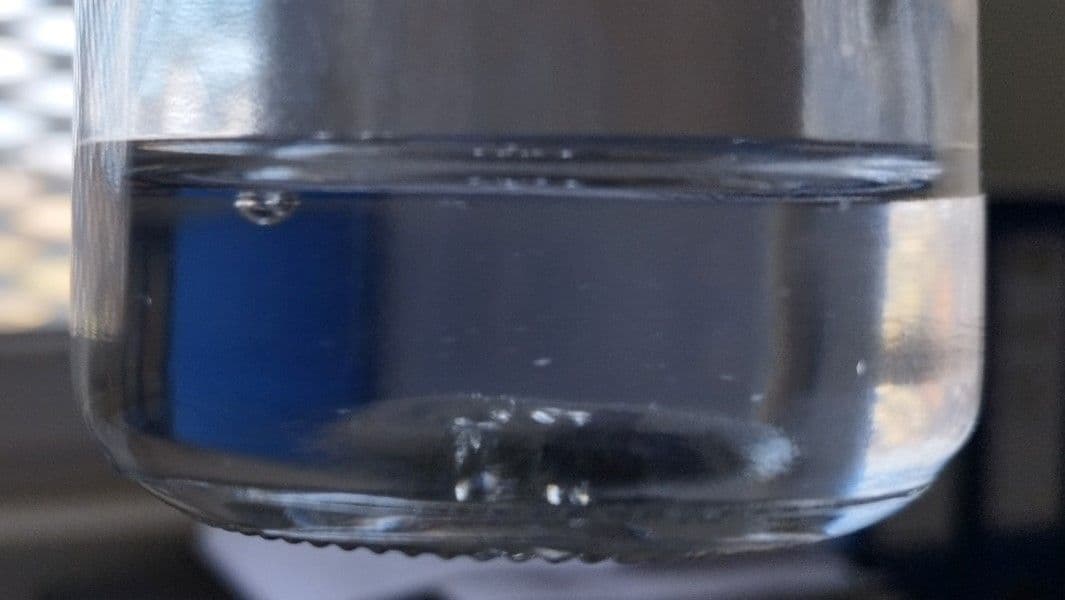
Figure 1. Melted snow sample from Antarctica.
Microplastic analysis can be conducted through several steps involving sample preparation and processing. In the first step, samples are filtered to extract particles from the suspension. During visual inspection, it was determined that the samples contained a significant number of suspended particles of biological origin, which may complicate further analyses. To minimize the impact of these particles on the results, it was decided to carry out a chemical treatment of the samples before filtration.
One of the chosen treatment methods allows for the breakdown of biological material, ensuring that only microplastic particles remain. After this process, the samples are filtered again through an appropriate filter.
After filtration, the particles are detected using an automatic software method and then analyzed via microscopy. The analysis identified microplastic particles of various polymer types, with most particles falling within the size range of 1 to 50 µm.
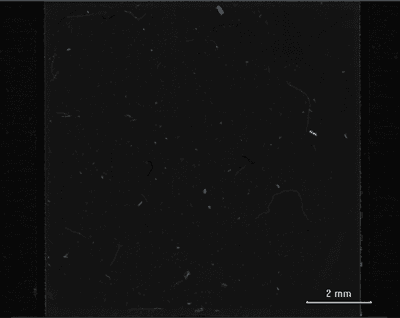
Figure 2. Silicon filter after filtering the particle suspension.
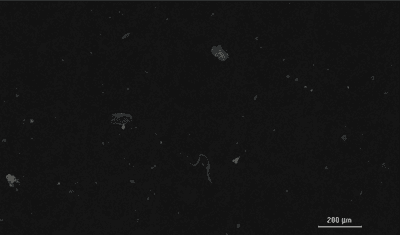
Figure 3. Magnified view of particles on the surface of the silicon filter.
The particles were then detected and selected using automatic software detection, after which they were analyzed using Raman microscopy on the DXR3xi Raman Imaging microscope. The samples identified microplastic particles of various polymer types, most of which were within the size range of 1 – 50 µm.
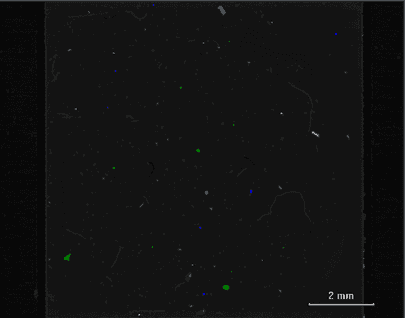
Figure 4. Silicon filter with microplastic particles of different polymers, marked in green, blue, yellow, and pink.
The results of the analyses on these samples confirm the findings of previous studies that demonstrated the presence of microplastic particles in snow from Antarctica.
Sample Control laboratory recognized the need for routine microplastic analyses early on. In 2020, a DXR3xi Raman Imaging microscope was acquired, and the following year, it became the first laboratory in Croatia to accredit a method for analyzing microplastics in drinking water and seawater. Since then, the laboratory has gained significant experience in analyzing various types of water samples, including water from purification systems, environmental water samples such as river and lake water, and even water sourced from snow in Antarctica. To enhance the range of capabilities and speed of microplastic analyses, a LUMOS II FTIR microscope was acquired in 2024. With these two devices, Sample Control can offer its clients comprehensive microplastic analysis in various types of water samples.