Genetically modified food
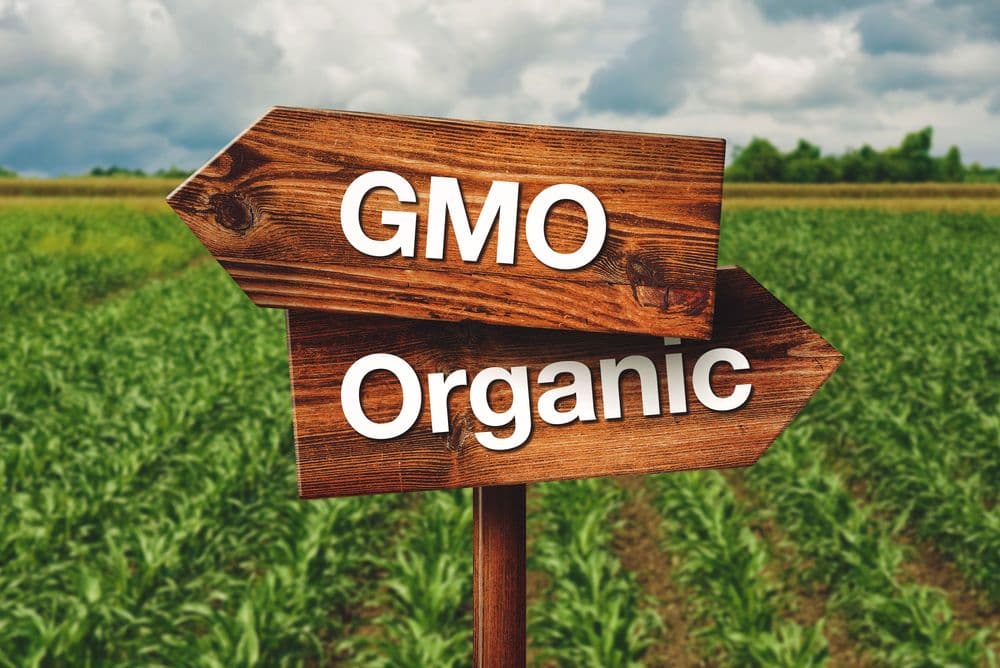
Food and animal feed originally come from plants and animals. Only those with the most desirable features that developed through natural changes in the genetic structures of these plants and animals were selected for breeding future generations. Nowadays, it is possible to change the genetic structure of living cells and organisms using recombinant DNA technology. Genetic material is changed in an artificial way to give it a new property, and such organisms are called "genetically modified organisms" (GMOs). Food and feed containing or consisting of genetically modified organisms, or produced from genetically modified organisms, are called "genetically modified food or feed".
The properties of GMO food enable products to have a longer shelf life and higher nutritional value and lower production costs. However, GMOs also pose a potential source of danger, such as the possibility of "escape" of the modified gene into nature, the survival of the same gene after sowing, the sensitivity of beneficial insects to the products of these genes, and ultimately the reduction of biodiversity.
The question of the effect of GMO food on human health with the possibility of causing allergic reactions is being asked more and more often. In the same way, the stability of the introduced gene and the nutritional effects associated with genetic modification are emphasized, as well as other unwanted effects that may arise due to the introduction of such genes. An additional problem is that each GMO organism is not the same, and each GMO food still needs to be evaluated separately.
The laboratory for molecular testing is accredited for the isolation and detection of DNA sequences of genetically modified organisms (GMOs) by determining the presence of P35S, T-nos and P-FMV sequences in food and animal feed using a real-time PCR device.
_____________
Do you need this service? For more information about the laboratory testing service, feel free to contact us.