Analysis of Microplastics in Food: Detection, Risks, and Prevention
Analysis of Microplastics in Food: Unveiling Hidden Dangers
In a world of increasing ecological awareness, the problem of microplastic pollution is becoming more pronounced. Microplastics, small particles of synthetic polymers such as PE, PP, PET, PS, PVC, and PMMA, find their way into our environmental waters, and consequently into the food we consume. These particles, varying in size from 1 µm to 5 mm, can have serious consequences for human health. Therefore, the development of reliable analytical methods for detecting microplastics in food is becoming necessary.
Innovative Detection Solution: Raman Microscopy
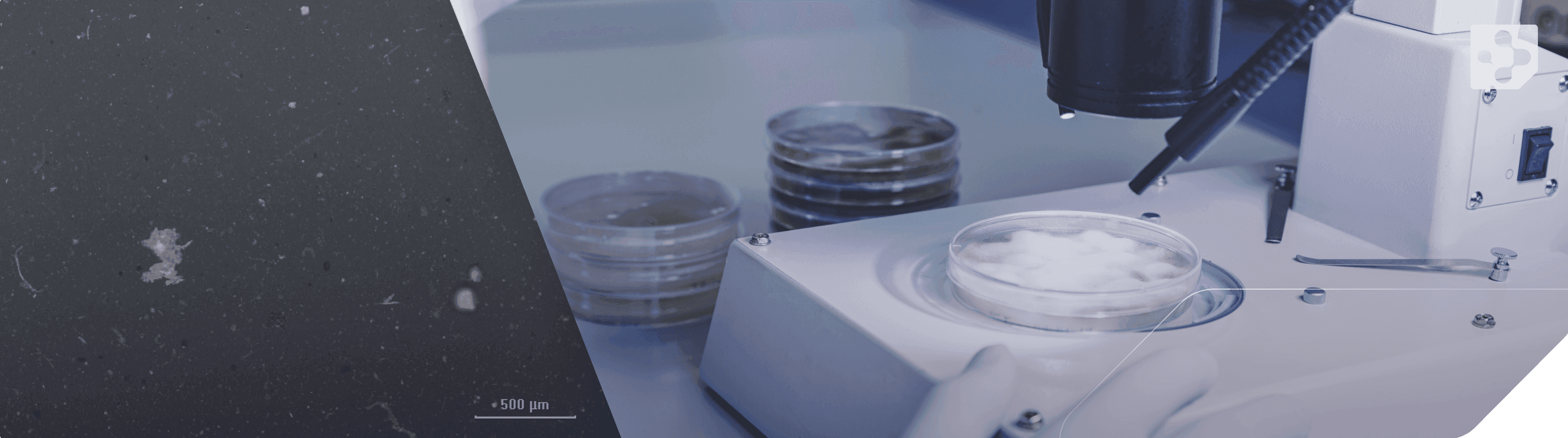
Sample Control introduces an accredited method in the fight against microplastics: determining the presence of microplastics in food using Raman microscopy. This process begins with microwave acid digestion, which, with an appropriate concentration of acid and controlled temperature conditions, ensures the decomposition of food without destroying the microplastic particles. After filtration, the particles are analyzed using the advanced DXR3xi Raman Imaging microscope, enabling detailed analysis of the size, number, and types of micro-particles in the sample.
Why Is This Important?
The growing public health concern due to the potentially harmful effects of microplastics necessitates such sophisticated methods of analysis. By detecting microplastics in food, we can better understand their prevalence and take steps to reduce their impact on our health and environment.
Further Steps
Given the seriousness of the microplastics problem, it is important to continuously work on developing and improving detection methods. Raising awareness and education about the potential risks of microplastics are key to promoting more sustainable living habits.
Conclusion
The analysis of microplastics in food using Raman microscopy represents an important step forward in understanding and combating this hidden pollutant. Through continuous improvement of techniques and methods, we can hope to reduce the presence of microplastics in our environment and food.
Ensure the safety of your food products from microplastic contamination with our state-of-the-art Raman microscopy analysis. Trust our accredited laboratory to provide you with accurate, reliable results. Contact us now to schedule your analysis and take a significant step towards sustainability and health safety.